In the Middle East, artificial intelligence (AI) is transforming agriculture. From the bustling cities of the UAE to the vast deserts of Saudi Arabia, AI is helping farmers optimize crop growth, reduce water use, and increase efficiency. As a result, farms are becoming smarter and better prepared for the challenges of arid climates and limited resources.
Moreover, initiatives like Vision 2030 encourage countries in the Gulf to achieve self-sufficiency, and AI-driven solutions are reshaping how food is grown, managed, and distributed.
1. Smart Soil Analysis
AI-powered tools analyze soil health using data from sensors and satellites. For example, these insights help farmers choose the right crops and apply precise treatments. As a result, productivity improves while conserving resources. In some cases, AI-assisted soil monitoring can reduce irrigation water use by up to 60%.
2. Vertical and Indoor Farming
AI manages controlled environments in vertical farms and hydroponic systems. Specifically, it optimizes light, temperature, nutrients, and water. Therefore, farmers can grow crops year-round with minimal waste, even in harsh desert conditions.
3. Autonomous Drones and Robots
In addition, drones and robotic systems handle planting, spraying, weeding, harvesting, and monitoring crops. AI enables real-time decision-making and autonomous navigation. As a result, labor costs decrease while accuracy and efficiency increase.
4. Precision Agriculture
AI analyzes data from satellites, drones, and sensors to optimize water, fertilizer, and pesticide use. Consequently, each section of a field receives exactly what it needs. This tailored approach maximizes yield and reduces waste.
5. Predictive Analytics
By processing historical and live data, AI predicts weather patterns, crop yields, pest outbreaks, and market trends. For instance, farmers can plan better, reduce losses, and increase profitability.
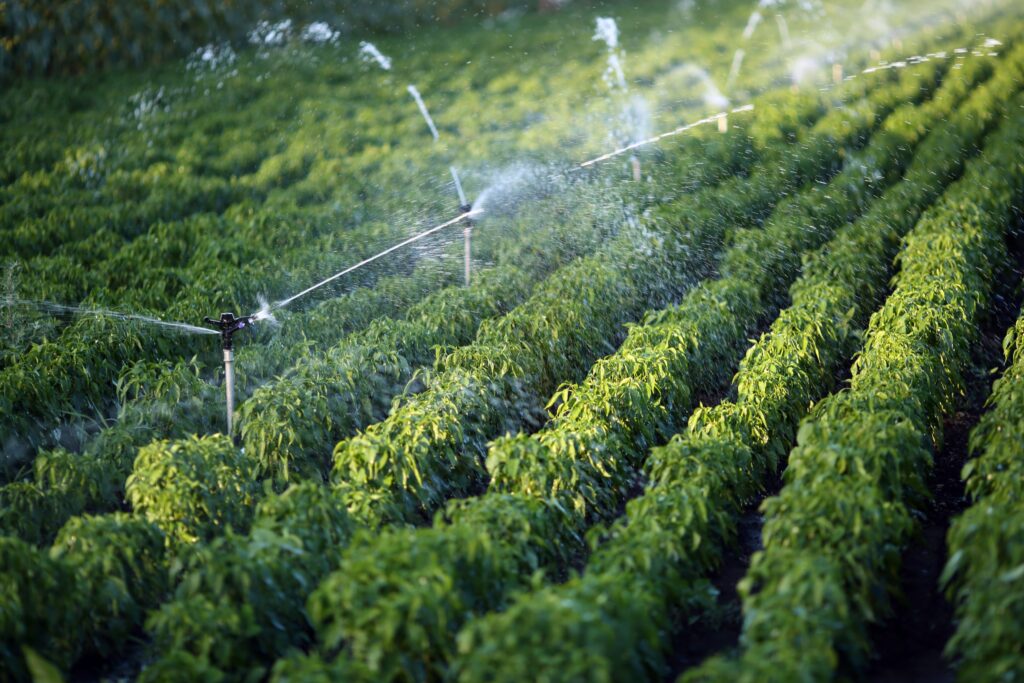
6. Intelligent Irrigation Systems
AI-driven irrigation adjusts watering schedules based on soil moisture, crop needs, and weather forecasts. As a result, water usage drops, and overall farm efficiency improves. Moreover, automated irrigation reduces human error and ensures crops receive the right amount of water at the right time.
7. Crop Health Monitoring
Using computer vision, AI detects diseases, nutrient deficiencies, and pests early. Therefore, farmers can reduce crop damage and minimize chemical use. In addition, early detection supports sustainable farming practices.
8. Livestock Management
AI monitors animal health, behavior, and productivity through sensors and facial recognition. As a result, farmers improve animal welfare and optimize herd performance. For example, AI can identify sick animals before problems spread.
9. Supply Chain Optimization
AI streamlines inventory management, logistics, and demand forecasting. Consequently, farmers reduce waste, improve delivery timing, and increase profits. Moreover, predictive analytics allows farms to respond quickly to changing market conditions.
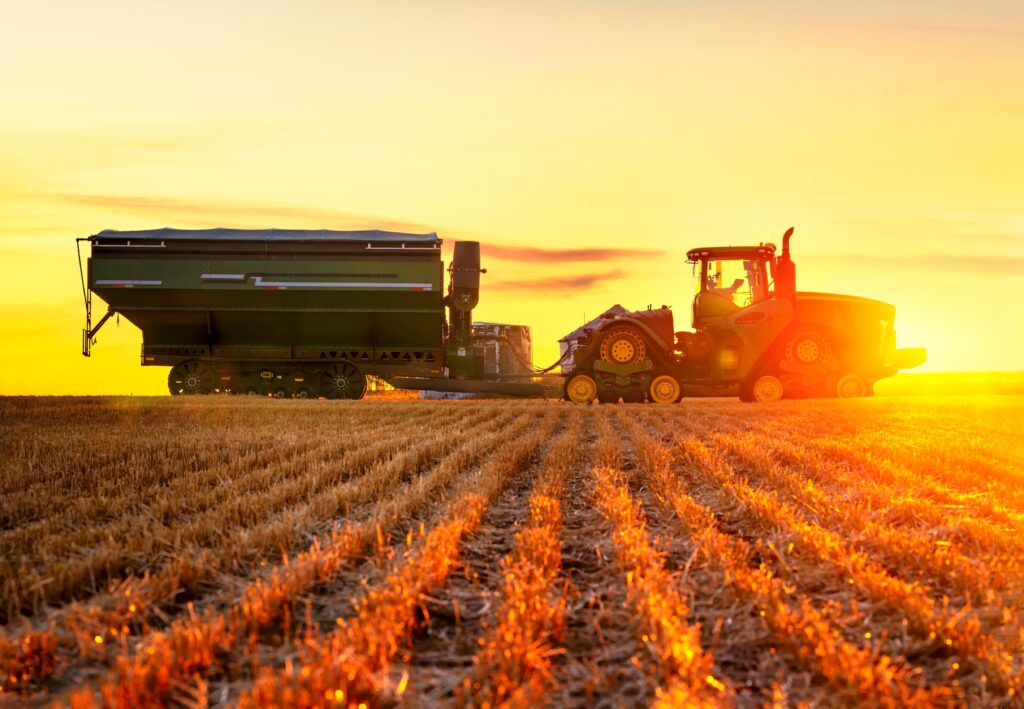
10. Autonomous Machinery
Tractors and other farming equipment equipped with AI can perform plowing, planting, and harvesting without human drivers. As a result, efficiency increases and reliance on manual labor decreases. In addition, autonomous machinery allows farmers to focus on strategy rather than repetitive tasks.