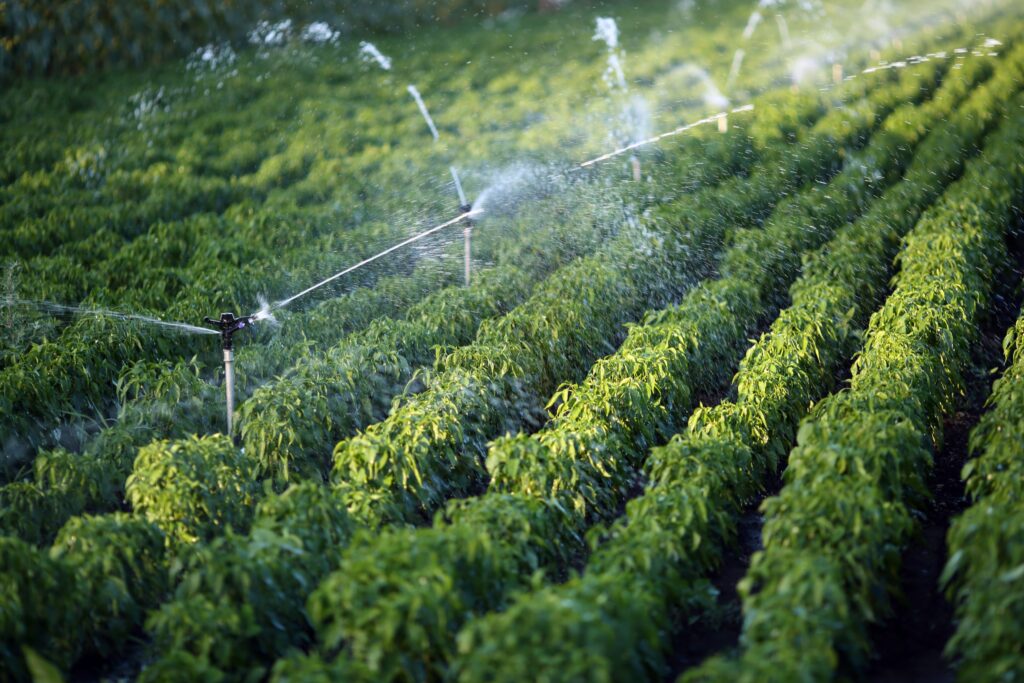

Iraq’s agricultural sector is undergoing a major transformation. In regions once dominated by drought, dust storms, and shrinking rivers, farmers are now turning to an unexpected lifeline hidden beneath the ground: groundwater. As a result, areas once considered unusable desert land are turning green. Across the deserts of Najaf and other arid provinces, a new farming strategy is emerging — one that is reshaping both productivity and the country’s long-term water outlook.
Why Groundwater Is Critical for Iraqi Agriculture
For decades, Iraqi agriculture depended heavily on the Tigris and Euphrates rivers. However, declining water flows, upstream dam projects, and long-lasting drought pushed many farmers to the edge of collapse. To survive, farmers are drilling wells — sometimes hundreds of meters deep — to tap underground water sources.
In addition, government incentives have sped up this shift:
- The government leases desert land to farmers at symbolic prices.
- Cheaper irrigation systems are provided to support farming.
- The state buys part of the harvest at guaranteed prices.
Together, these measures encourage rapid expansion of groundwater-based agriculture.
Modern Irrigation: Farming More with Less Water
Many farmers who started using groundwater also switched from traditional flood irrigation to center-pivot sprinkler systems — the circular irrigation arms often seen in modern farms.
These systems provide major benefits:
- They use up to 50% less water compared to old methods.
- Water is distributed evenly, reducing waste.
- They work well on sandy, low-retention desert soils.
- Controlled watering improves crop yields.
Consequently, wheat yields per hectare in some desert districts now surpass yields in areas irrigated only by river water.
The Emerging Desert Farming Landscape
According to agricultural officials in several provinces:
- More than 3 million donums of land (≈ 775,000 hectares) were cultivated this winter using groundwater.
- In comparison, about 2 million donums relied solely on river water.
- Farmers are increasingly tapping deep underground water shared with neighboring countries like Saudi Arabia and Kuwait.
- Religious endowments and private investors are developing large desert farms.
As a result, farmers report dramatic increases in production, sometimes achieving multiple times their previous harvests thanks to improved irrigation and a steady water supply.
Risks of Over-Extracting Groundwater
While desert farming is booming, experts warn that overusing groundwater could create a future crisis.
Key concerns include:
- Many underground water sources refill very slowly, especially in desert climates.
- Wells that once required shallow digging now reach 200–300 meters.
- Deep groundwater is a strategic reserve shared across borders.
- Unregulated pumping may deplete this resource beyond recovery.
Therefore, water specialists emphasize that groundwater should be treated as an emergency reserve, not a limitless supply.
The Path Forward: Innovation and Regulation
To ensure that today’s expansion does not create tomorrow’s shortage, Iraq will need to:
- Implement stricter controls on groundwater extraction.
- Invest in real-time monitoring of water levels.
- Expand the use of water-efficient irrigation systems.
- Promote drought-tolerant crops.
- Encourage research to better understand deep aquifer sustainability.
If managed carefully, groundwater can support rural livelihoods without harming future water availability.
Conclusion: A Sustainable Future for Iraqi Desert Agriculture
Iraq’s desert farming boom shows how innovation and necessity can reshape an entire sector. Groundwater has opened new opportunities, increased yields, and revived agricultural productivity in some of the country’s harshest environments.
However, long-term sustainability depends on responsible management of this hidden resource. By combining smart technology, regulation, and research, Iraq can continue to turn its deserts into productive farmland while protecting water for generations to come.